
Latest Articles
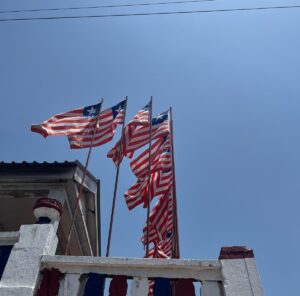
Migration: why this policy field is emerging as a priority in Liberia
All across West Africa, migration policy-making has become a top priority. Not least related to the externalisation pressures of the European Union (EU) and its members’, regulating migration is a policy field that governments are pushed to pursue. But it also ties back to a culture of migration, long-standing mobility across the region, and displacement related to conflict and climate-related challenges. What about in Liberia, a country with its own complex history? In this piece, we show how m
0
0
What Lagos planned for Precious Seeds
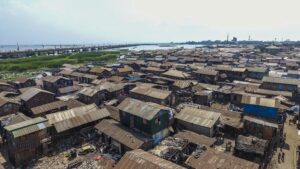
In December 2025, Lagos State bulldozers tore down Precious Seeds, a waterfront settlement in Oworonshoki. Esther Udoh had been driven out of the same site once before, by a fire in 2010. She returned in 2013 and built again: small payments for land, then materials, then walls, then a roof, until what she had built was worth perhaps a hundred million naira. The state took it down. She is now in Agbado, rebuilding. Five months after the demolition, at the Joint Closing of the Assemblies at the Wo
0
0
Washington Is Treating Africa as a Target, Not a Partner — and Africa Knows It
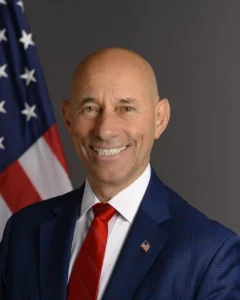
Frank Garcia has just been confirmed as Washington’s top Africa diplomat. His appointment tells African governments everything they need to know about how little they matter to this administration.
Last month, the U.S. Senate confirmed Frank Garcia as Assistant Secretary of State for African Affairs, ending a vacancy that had run for more than fifteen months. Garcia is a former Navy officer and longtime staffer on the House Intelligence Committee. He has no significant published work on African
0
0
African Security and a Financial Architecture in Retreat
African security is conventionally analysed in terms of armed groups, peacekeeping, and counterterrorism. However, what increasingly shapes the political order African states can build is none of these. It is the rate at which states borrow money, in an architecture designed by their creditors.
At a time when the multilateral peace and security architecture is losing support and credibility, the international financial architecture is emerging as a limiting factor for African sovereign autonomy.
0
0
The Signs We Refuse to See: Why Uganda’s Sovereignty Act Cannot Cure Our National Despair
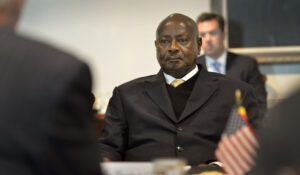
The passage and lightning-fast presidential signing of the Protection of Sovereignty Act, 2026 represents a defining crossroads in our nation’s governance. Tabled by State Minister for Internal Affairs General David Muhoozi and defended by President Yoweri Museveni, the Act introduces state surveillance, aggressive disclosure mandates, and up to ten years of imprisonment for individuals and civil society organizations labeled as “agents of foreign influence.”
To the casual observer,
0
0
Redefining ‘Free and Fair’: Ethiopia’s Election and Electoral Legitimacy
“Democracy is not just a question of having a vote. It consists of strengthening each citizen’s possibility and capacity to participate in the deliberations involved in life in society.”
Fernando Henrique Cardoso, Political Scientist, and Former President of Brazil
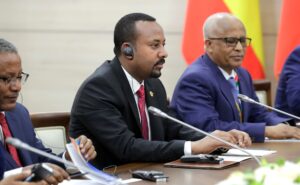
As Ethiopia’s June 1st national election looms, the country continues to preserve the formal structures of electoral democracy while steadily weakening the substantive conditions that give elections democratic meaning and legit
0
0
Can Sudan’s Dried Meat Delicacy Escape the Suitcase and Conquer New Markets?
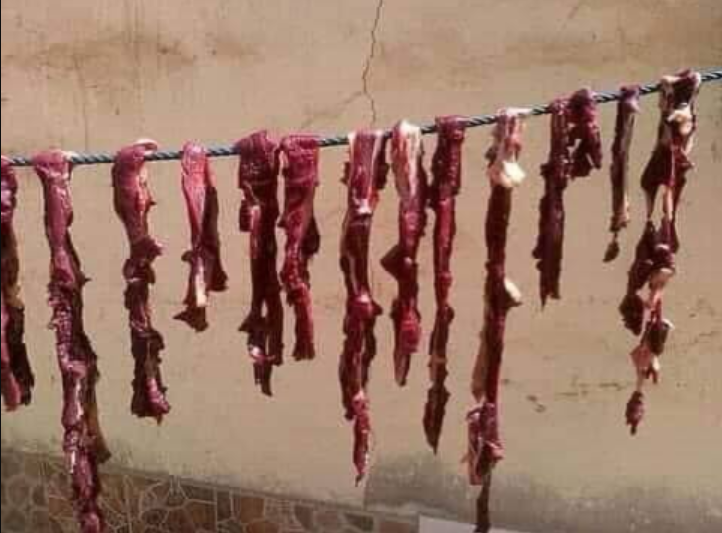
Sharmout, a traditional Sudanese dried meat, is already popular among Sudanese communities abroad where it is transported and sold through the ‘suitcase trade.’ The challenge now is turning an informal trade into a formal industry.
Across Sudan, generations have grown up with sharmout, a traditional Sudanese dried beef prepared by sun-drying strips of meat. Long before refrigeration, drying meat was a practical way of preserving food. Over time, however, sharmout became more than a
0
1
Africa’s AI Governance Gap: Why National Strategies Must Move Beyond Adoption to Execution
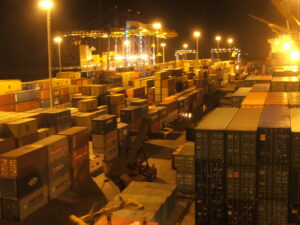
In February 2026, the Ghana Revenue Authority deployed Publican AI at Tema Port —software that analyses import declarations, benchmarks values against global trade databases, and flags anomalies before clearance. Within weeks, customs revenue soared from GH₵2.4 billion to GH₵3.6 billion, with the system generating an average of $3 million a day in additional revenue.
By any adoption metric, the deployment was a success. By any governance standard, serious operational problems quickly emerged.
Tr
0
1
The Untold Story of the Battle of Adowa: How Anti-imperialism can be rebuilt from the ground up
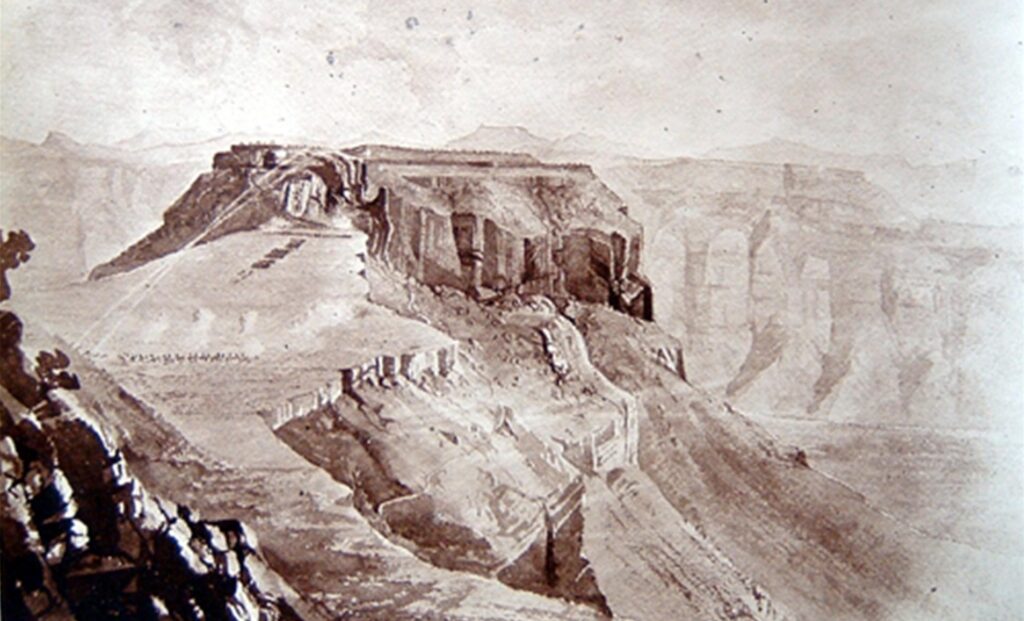
The fortress at Magdala in 1868 when the British invaded. (Photo – Unknown source, Public Domain, https://commons.wikimedia.org/w/index.php?curid=4236644)
I. Magdala
The mountainside fortress is called Magdala. It is perched above the Ethiopian highlands, a stone fist raised against the sky. In its austere regality an eleven-year-old boy named Sahle Maryam witnessed the brutal birth of modern statecraft in 1855. His captor, Emperor Tewodros II, was a brilliant but volatile unifier who drea
0
1
African Multilateralism from a Vision to a Reality: Lessons from the Most Hostile Continent on Earth
For twenty years I have worked strengthening African governance and multilateral institutions. Across each sector – security, economic development, education reform and humanitarian aid – I heard inspiring politicians agree to ambitious international cooperation to tackle regional problems. Yet that solidarity was, more often than not, lost in poor follow-through action. International cooperation on the continent can feel rousing at first and then disappointing when it comes time to
0
1
The death of KOKO Networks: a post-mortem of a biofuel startup and the rise of carbon economies in Africa
What does the much-publicised rise and sudden death of a firm that boasted friends in Silicon Valley and Washington DC tell us about the climate crisis, structural underdevelopment in Africa and the frugal innovations designed to mitigate it?
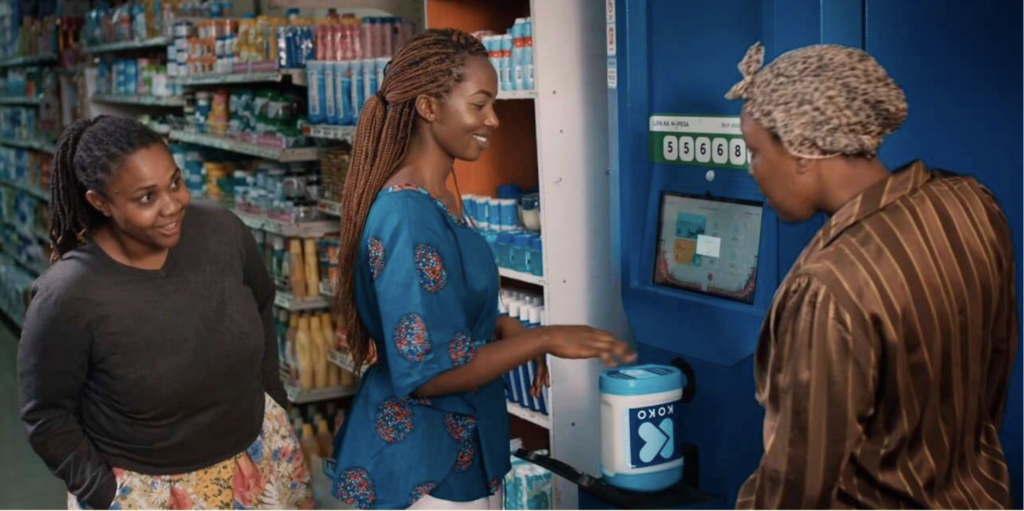
Customers at a KOKO Networks fuel ATM (Courtesy: KOKO Networks on Facebook)
The closure of Koko Networks at the beginning of February elicited an interesting range of reactions in the country. Some cast suspicion on the Kenyan government, claiming that the
0
1
The going away of silence: A tribute to Ngugi
One year after his passing, how should we remember Ngugi?
1. The early years
At first, it was just enough to write. Because the silence had gone on for too long.
In just a hundred years, between 1860 and 1960, the Africans between the two Rift Valleys experienced a most profound change to their existences in material, spiritual, biological, and even chronological ways. They have been forced to face the question of the very meaning of their existence ever since.
Though epic in scale, much of this
0
1
The Dangote Refinery and the End of Africa’s Engineered Dependency
For decades, Africa’s place in the global oil economy was not merely subordinate; it was designed to be so.
Crude flowed out. Refined fuel flowed back in. Value accumulated elsewhere. This was not an unfortunate equilibrium but a system built with precision: refining infrastructure in Europe, currencies of trade external, shipping, and pricing settled far beyond African control. To call this a market outcome is to misunderstand it. It was architecture.
What the Dangote Refinery represents is a d
0
1
AI and the New Machinery of African Repression
Artificial intelligence is lowering the cost of authoritarian control in Africa. The danger is not only mass surveillance, but a state that can abort reformist change before it is even born.
Dictatorship used to be expensive. It needed informants, prisons, police files, propaganda and visible violence. Today, some of that work can be bought as software, financed through loans, connected to biometric systems and sold as modernization.
The African question is not whether AI will suddenly turn a de
0
1
Libya’s Electoral Mirage: The Illusion of American Optimism
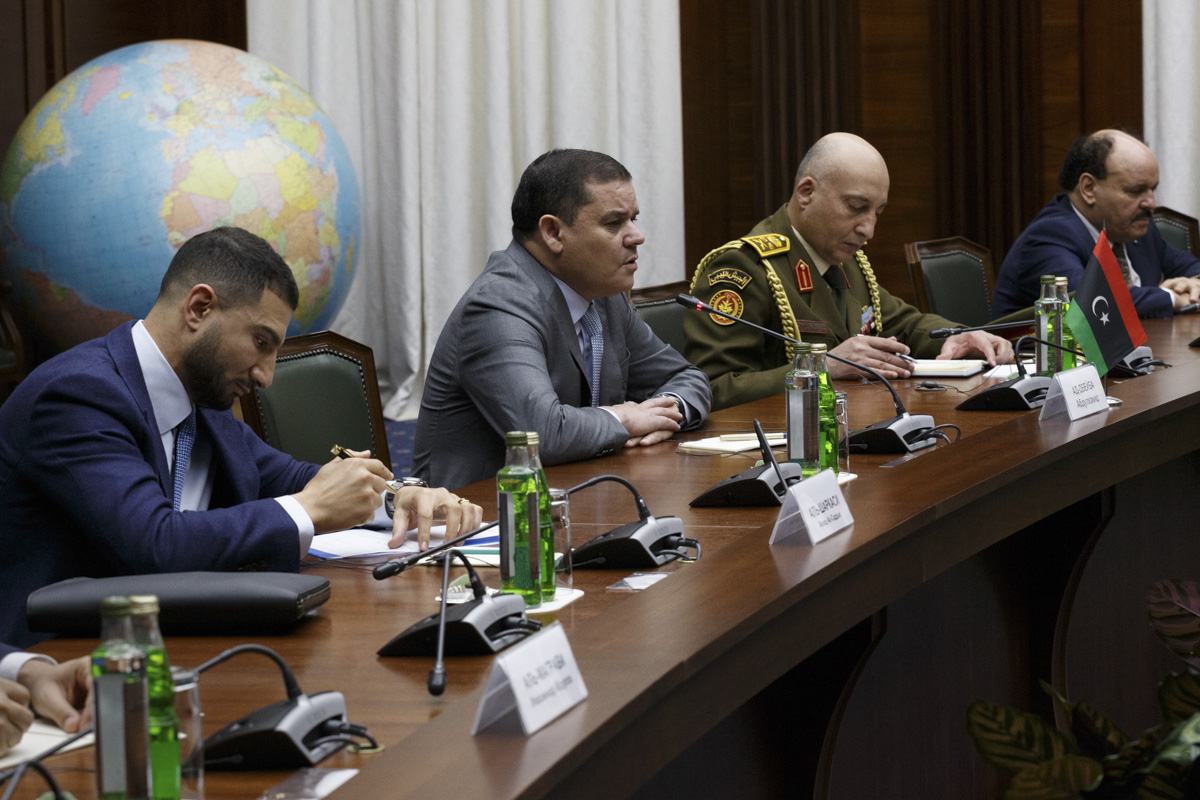
As international diplomatic efforts intensify in attempts to overcome Libya’s prolonged political deadlock, a renewed US approach has emerged, marked by a noticeable tone of optimism that sits uneasily alongside the country’s fragmented and volatile realities. 15 years after the removal of Muammar Gaddafi’s regime in 2011, Libya—despite its vast hydrocarbon wealth and strategic location on the Mediterranean—remains unable to consolidate a stable political order or unify its fragmented sovereign
0
1
The Pagak Pivot: South Sudan’s Strategic Realignment and the Transformation of Nile Basin Politics
On May 9, 2026, the Sudanese newspaper Al-Sayha first broke the exclusive report alleging that Juba had issued an ‘urgent’ directive ordering the termination of Egyptian military activities in South Sudan’s Upper Nile State. The report rapidly moved beyond Sudanese media circles and became a wider regional and international geopolitical story.
Following the Al-Sayha exclusive, the development was picked up by the Sudan Times and a number of regional digital platforms before spreading to br
0
1
Rethinking South Sudan’s Unfinished Transition
South Sudan is approaching another decisive moment, but the country is still far from ready for credible elections in December 2026. Nearly two decades after the end of Sudan’s civil war (1983-2005) and almost fifteen years after independence, the promise of democratic transition remains unfulfilled. Whether South Sudan can still move toward peace and accountable government depends on confronting political realities that leaders have long avoided.
The 2018 Revitalized Peace Agreement brought Pre
0
2
Azawad Never Left: Reading Mali’s 2026 Crisis Through 2012
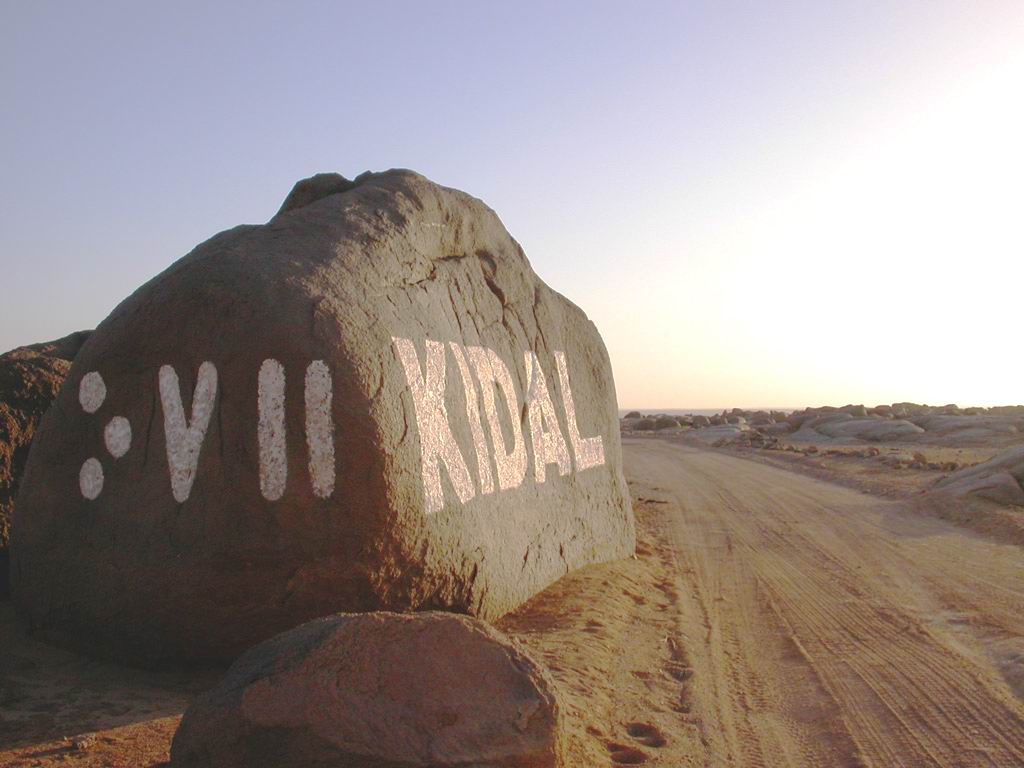
On 25 April 2026, Mali appeared to enter a new and dramatic phase of crisis. Explosions and gunfire were reported around Bamako and Kati, while attacks struck several parts of the country. In the north, Kidal once again became a symbol of state fragility and armed contestation.
Yet this was not an isolated incident. It was the eruption of accumulated grievances rooted in a much longer history of marginalisation. To understand why Mali is once again facing such a crisis, we need to return not onl
0
1
They called it historic. Somali women have heard that before.
The first time I heard a Somali female parliamentarian describe her experience of the quota system, she did not use the word “opportunity.” She used the word “chess piece.”
“They give us seats,” she told me, “but silence our votes.”
I was in the middle of four years of doctoral research on women’s political participation in post-conflict Somalia, interviewing women politicians, clan elders, civil society leaders, and international programme o
0
1
In a world of blocs, France and Kenya chose the Middle
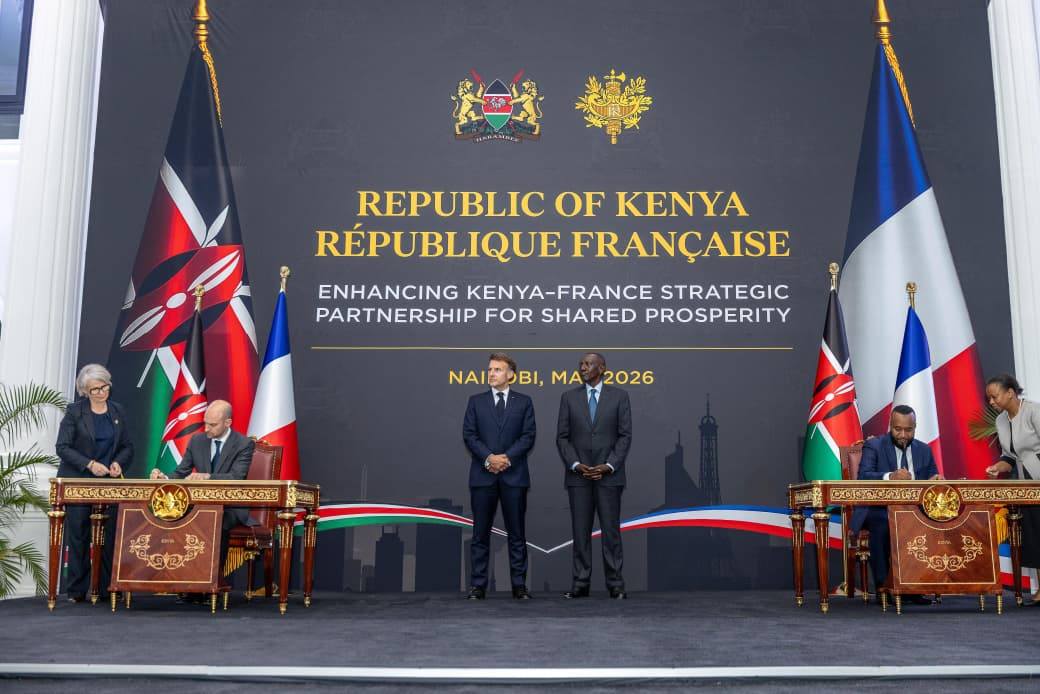
Kenya’s president William Ruto and France’s Emmanuel Macron in Nairobi at the opening of the Africa Forward Summit, 11 May 2026 (Courtesy: State House, Nairobi)
Why Nairobi? A lot of ink has already been spilled to explain the choice of Kenya to host the upcoming Africa France summit, the first gathering of heads of state from the continent Emmanuel Macron is convening since his election in 2017. But a broader, more geopolitical explanation has largely been overlooked.
The origin of
0
1
Migration: why this policy field is emerging as a priority in Liberia
All across West Africa, migration policy-making has become a top priority. Not least related to the externalisation pres
0
0
What Lagos planned for Precious Seeds
In December 2025, Lagos State bulldozers tore down Precious Seeds, a waterfront settlement in Oworonshoki. Esther Udoh h
0
0
Washington Is Treating Africa as a Target, Not a Partner — and Africa Knows It
Frank Garcia has just been confirmed as Washington’s top Africa diplomat. His appointment tells African governments ever
0
0
African Security and a Financial Architecture in Retreat
African security is conventionally analysed in terms of armed groups, peacekeeping, and counterterrorism. However, what
0
0
The Signs We Refuse to See: Why Uganda’s Sovereignty Act Cannot Cure Our National Despair
The passage and lightning-fast presidential signing of the Protection of Sovereignty Act, 2026 represents a defining cro
0
0
Redefining ‘Free and Fair’: Ethiopia’s Election and Electoral Legitimacy
“Democracy is not just a question of having a vote. It consists of strengthening each citizen’s possibility and ca
0
0
Can Sudan’s Dried Meat Delicacy Escape the Suitcase and Conquer New Markets?
Sharmout, a traditional Sudanese dried meat, is already popular among Sudanese communities abroad where it is transport
0
1
Africa’s AI Governance Gap: Why National Strategies Must Move Beyond Adoption to Execution
In February 2026, the Ghana Revenue Authority deployed Publican AI at Tema Port —software that analyses import declarati
0
1
The Untold Story of the Battle of Adowa: How Anti-imperialism can be rebuilt from the ground up
The fortress at Magdala in 1868 when the British invaded. (Photo – Unknown source, Public Domain, https://commons.
0
1
African Multilateralism from a Vision to a Reality: Lessons from the Most Hostile Continent on Earth
For twenty years I have worked strengthening African governance and multilateral institutions. Across each sector –
0
1
The death of KOKO Networks: a post-mortem of a biofuel startup and the rise of carbon economies in Africa
What does the much-publicised rise and sudden death of a firm that boasted friends in Silicon Valley and Washington DC t
0
1
The going away of silence: A tribute to Ngugi
One year after his passing, how should we remember Ngugi?
1. The early years
At first, it was just enough to write. Beca
0
1
The Dangote Refinery and the End of Africa’s Engineered Dependency
For decades, Africa’s place in the global oil economy was not merely subordinate; it was designed to be so.
Crude flowed
0
1
AI and the New Machinery of African Repression
Artificial intelligence is lowering the cost of authoritarian control in Africa. The danger is not only mass surveillanc
0
1
Libya’s Electoral Mirage: The Illusion of American Optimism
As international diplomatic efforts intensify in attempts to overcome Libya’s prolonged political deadlock, a renewed US
0
1
The Pagak Pivot: South Sudan’s Strategic Realignment and the Transformation of Nile Basin Politics
On May 9, 2026, the Sudanese newspaper Al-Sayha first broke the exclusive report alleging that Juba had issued an ‘urgen
0
1
Rethinking South Sudan’s Unfinished Transition
South Sudan is approaching another decisive moment, but the country is still far from ready for credible elections in De
0
2
Azawad Never Left: Reading Mali’s 2026 Crisis Through 2012
On 25 April 2026, Mali appeared to enter a new and dramatic phase of crisis. Explosions and gunfire were reported around
0
1
Migration: why this policy field is emerging as a priority in Liberia
All across West Africa, migration policy-making has become a top priority. Not least related to the externalisation pressures of the European Union (EU) and its members’, regulating migration is a policy field that governments are pushed to pursue. But it also ties back to a culture of migration, long-standing mobility across the region, and displacement related to conflict and climate-related challenges. What about in Liberia, a country with its own complex history? In this piece, we show how m
0
0 👁
What Lagos planned for Precious Seeds
In December 2025, Lagos State bulldozers tore down Precious Seeds, a waterfront settlement in Oworonshoki. Esther Udoh had been driven out of the same site once before, by a fire in 2010. She returned in 2013 and built again: small payments for land, then materials, then walls, then a roof, until what she had built was worth perhaps a hundred million naira. The state took it down. She is now in Agbado, rebuilding. Five months after the demolition, at the Joint Closing of the Assemblies at the Wo
0
0 👁
Washington Is Treating Africa as a Target, Not a Partner — and Africa Knows It
Frank Garcia has just been confirmed as Washington’s top Africa diplomat. His appointment tells African governments everything they need to know about how little they matter to this administration.
Last month, the U.S. Senate confirmed Frank Garcia as Assistant Secretary of State for African Affairs, ending a vacancy that had run for more than fifteen months. Garcia is a former Navy officer and longtime staffer on the House Intelligence Committee. He has no significant published work on African
0
0 👁
African Security and a Financial Architecture in Retreat
African security is conventionally analysed in terms of armed groups, peacekeeping, and counterterrorism. However, what increasingly shapes the political order African states can build is none of these. It is the rate at which states borrow money, in an architecture designed by their creditors.
At a time when the multilateral peace and security architecture is losing support and credibility, the international financial architecture is emerging as a limiting factor for African sovereign autonomy.
0
0 👁
The Signs We Refuse to See: Why Uganda’s Sovereignty Act Cannot Cure Our National Despair
The passage and lightning-fast presidential signing of the Protection of Sovereignty Act, 2026 represents a defining crossroads in our nation’s governance. Tabled by State Minister for Internal Affairs General David Muhoozi and defended by President Yoweri Museveni, the Act introduces state surveillance, aggressive disclosure mandates, and up to ten years of imprisonment for individuals and civil society organizations labeled as “agents of foreign influence.”
To the casual observer,
0
0 👁
Redefining ‘Free and Fair’: Ethiopia’s Election and Electoral Legitimacy
“Democracy is not just a question of having a vote. It consists of strengthening each citizen’s possibility and capacity to participate in the deliberations involved in life in society.”
Fernando Henrique Cardoso, Political Scientist, and Former President of Brazil
As Ethiopia’s June 1st national election looms, the country continues to preserve the formal structures of electoral democracy while steadily weakening the substantive conditions that give elections democratic meaning and legit
0
0 👁
Can Sudan’s Dried Meat Delicacy Escape the Suitcase and Conquer New Markets?
Sharmout, a traditional Sudanese dried meat, is already popular among Sudanese communities abroad where it is transported and sold through the ‘suitcase trade.’ The challenge now is turning an informal trade into a formal industry.
Across Sudan, generations have grown up with sharmout, a traditional Sudanese dried beef prepared by sun-drying strips of meat. Long before refrigeration, drying meat was a practical way of preserving food. Over time, however, sharmout became more than a
0
1 👁
Africa’s AI Governance Gap: Why National Strategies Must Move Beyond Adoption to Execution
In February 2026, the Ghana Revenue Authority deployed Publican AI at Tema Port —software that analyses import declarations, benchmarks values against global trade databases, and flags anomalies before clearance. Within weeks, customs revenue soared from GH₵2.4 billion to GH₵3.6 billion, with the system generating an average of $3 million a day in additional revenue.
By any adoption metric, the deployment was a success. By any governance standard, serious operational problems quickly emerged.
Tr
0
1 👁
The Untold Story of the Battle of Adowa: How Anti-imperialism can be rebuilt from the ground up
The fortress at Magdala in 1868 when the British invaded. (Photo – Unknown source, Public Domain, https://commons.wikimedia.org/w/index.php?curid=4236644)
I. Magdala
The mountainside fortress is called Magdala. It is perched above the Ethiopian highlands, a stone fist raised against the sky. In its austere regality an eleven-year-old boy named Sahle Maryam witnessed the brutal birth of modern statecraft in 1855. His captor, Emperor Tewodros II, was a brilliant but volatile unifier who drea
0
1 👁
African Multilateralism from a Vision to a Reality: Lessons from the Most Hostile Continent on Earth
For twenty years I have worked strengthening African governance and multilateral institutions. Across each sector – security, economic development, education reform and humanitarian aid – I heard inspiring politicians agree to ambitious international cooperation to tackle regional problems. Yet that solidarity was, more often than not, lost in poor follow-through action. International cooperation on the continent can feel rousing at first and then disappointing when it comes time to
0
1 👁
The death of KOKO Networks: a post-mortem of a biofuel startup and the rise of carbon economies in Africa
What does the much-publicised rise and sudden death of a firm that boasted friends in Silicon Valley and Washington DC tell us about the climate crisis, structural underdevelopment in Africa and the frugal innovations designed to mitigate it?
Customers at a KOKO Networks fuel ATM (Courtesy: KOKO Networks on Facebook)
The closure of Koko Networks at the beginning of February elicited an interesting range of reactions in the country. Some cast suspicion on the Kenyan government, claiming that the
0
1 👁
The going away of silence: A tribute to Ngugi
One year after his passing, how should we remember Ngugi?
1. The early years
At first, it was just enough to write. Because the silence had gone on for too long.
In just a hundred years, between 1860 and 1960, the Africans between the two Rift Valleys experienced a most profound change to their existences in material, spiritual, biological, and even chronological ways. They have been forced to face the question of the very meaning of their existence ever since.
Though epic in scale, much of this
0
1 👁
The Dangote Refinery and the End of Africa’s Engineered Dependency
For decades, Africa’s place in the global oil economy was not merely subordinate; it was designed to be so.
Crude flowed out. Refined fuel flowed back in. Value accumulated elsewhere. This was not an unfortunate equilibrium but a system built with precision: refining infrastructure in Europe, currencies of trade external, shipping, and pricing settled far beyond African control. To call this a market outcome is to misunderstand it. It was architecture.
What the Dangote Refinery represents is a d
0
1 👁
AI and the New Machinery of African Repression
Artificial intelligence is lowering the cost of authoritarian control in Africa. The danger is not only mass surveillance, but a state that can abort reformist change before it is even born.
Dictatorship used to be expensive. It needed informants, prisons, police files, propaganda and visible violence. Today, some of that work can be bought as software, financed through loans, connected to biometric systems and sold as modernization.
The African question is not whether AI will suddenly turn a de
0
1 👁
Libya’s Electoral Mirage: The Illusion of American Optimism
As international diplomatic efforts intensify in attempts to overcome Libya’s prolonged political deadlock, a renewed US approach has emerged, marked by a noticeable tone of optimism that sits uneasily alongside the country’s fragmented and volatile realities. 15 years after the removal of Muammar Gaddafi’s regime in 2011, Libya—despite its vast hydrocarbon wealth and strategic location on the Mediterranean—remains unable to consolidate a stable political order or unify its fragmented sovereign
0
1 👁
The Pagak Pivot: South Sudan’s Strategic Realignment and the Transformation of Nile Basin Politics
On May 9, 2026, the Sudanese newspaper Al-Sayha first broke the exclusive report alleging that Juba had issued an ‘urgent’ directive ordering the termination of Egyptian military activities in South Sudan’s Upper Nile State. The report rapidly moved beyond Sudanese media circles and became a wider regional and international geopolitical story.
Following the Al-Sayha exclusive, the development was picked up by the Sudan Times and a number of regional digital platforms before spreading to br
0
1 👁
Rethinking South Sudan’s Unfinished Transition
South Sudan is approaching another decisive moment, but the country is still far from ready for credible elections in December 2026. Nearly two decades after the end of Sudan’s civil war (1983-2005) and almost fifteen years after independence, the promise of democratic transition remains unfulfilled. Whether South Sudan can still move toward peace and accountable government depends on confronting political realities that leaders have long avoided.
The 2018 Revitalized Peace Agreement brought Pre
0
2 👁
Azawad Never Left: Reading Mali’s 2026 Crisis Through 2012
On 25 April 2026, Mali appeared to enter a new and dramatic phase of crisis. Explosions and gunfire were reported around Bamako and Kati, while attacks struck several parts of the country. In the north, Kidal once again became a symbol of state fragility and armed contestation.
Yet this was not an isolated incident. It was the eruption of accumulated grievances rooted in a much longer history of marginalisation. To understand why Mali is once again facing such a crisis, we need to return not onl
0
1 👁
They called it historic. Somali women have heard that before.
The first time I heard a Somali female parliamentarian describe her experience of the quota system, she did not use the word “opportunity.” She used the word “chess piece.”
“They give us seats,” she told me, “but silence our votes.”
I was in the middle of four years of doctoral research on women’s political participation in post-conflict Somalia, interviewing women politicians, clan elders, civil society leaders, and international programme o
0
1 👁
In a world of blocs, France and Kenya chose the Middle
Kenya’s president William Ruto and France’s Emmanuel Macron in Nairobi at the opening of the Africa Forward Summit, 11 May 2026 (Courtesy: State House, Nairobi)
Why Nairobi? A lot of ink has already been spilled to explain the choice of Kenya to host the upcoming Africa France summit, the first gathering of heads of state from the continent Emmanuel Macron is convening since his election in 2017. But a broader, more geopolitical explanation has largely been overlooked.
The origin of
0
1 👁
Migration: why this policy field is emerging as a priority in Liberia
All across West Africa, migration policy-making has become a top priority. Not least related to the externalisation pressures of t…
💬 0
👁 0
What Lagos planned for Precious Seeds
African Arguments · 2d ago
💬 0
👁 0
Washington Is Treating Africa as a Target, Not a Partner — and Africa Knows It
African Arguments · 2d ago
💬 0
👁 0
African Security and a Financial Architecture in Retreat
African Arguments · 3d ago
💬 0
👁 0

The Signs We Refuse to See: Why Uganda’s Sovereignty Act Cannot Cure Our National Despair
African Arguments · 4d ago

Redefining ‘Free and Fair’: Ethiopia’s Election and Electoral Legitimacy
African Arguments · Jun 5, 2026

Can Sudan’s Dried Meat Delicacy Escape the Suitcase and Conquer New Markets?
African Arguments · Jun 3, 2026

Africa’s AI Governance Gap: Why National Strategies Must Move Beyond Adoption to Execution
African Arguments · Jun 3, 2026
The Untold Story of the Battle of Adowa: How Anti-imperialism can be rebuilt from the ground up
The fortress at Magdala in 1868 when the British invaded. (Photo – Unknown source, Public Domain, https://commons.wikimedia.…
💬 0
👁 1
African Multilateralism from a Vision to a Reality: Lessons from the Most Hostile Continent on Earth
African Arguments · Jun 1, 2026
💬 0
👁 1
The death of KOKO Networks: a post-mortem of a biofuel startup and the rise of carbon economies in Africa
African Arguments · Jun 1, 2026
💬 0
👁 1
The going away of silence: A tribute to Ngugi
African Arguments · May 29, 2026
💬 0
👁 1

The Dangote Refinery and the End of Africa’s Engineered Dependency
African Arguments · May 27, 2026

AI and the New Machinery of African Repression
African Arguments · May 23, 2026

Libya’s Electoral Mirage: The Illusion of American Optimism
African Arguments · May 22, 2026

The Pagak Pivot: South Sudan’s Strategic Realignment and the Transformation of Nile Basin Politics
African Arguments · May 19, 2026
Rethinking South Sudan’s Unfinished Transition
South Sudan is approaching another decisive moment, but the country is still far from ready for credible elections in December 202…
💬 0
👁 2
Azawad Never Left: Reading Mali’s 2026 Crisis Through 2012
African Arguments · May 13, 2026
💬 0
👁 1
They called it historic. Somali women have heard that before.
African Arguments · May 13, 2026
💬 0
👁 1
In a world of blocs, France and Kenya chose the Middle
African Arguments · May 11, 2026
💬 0
👁 1